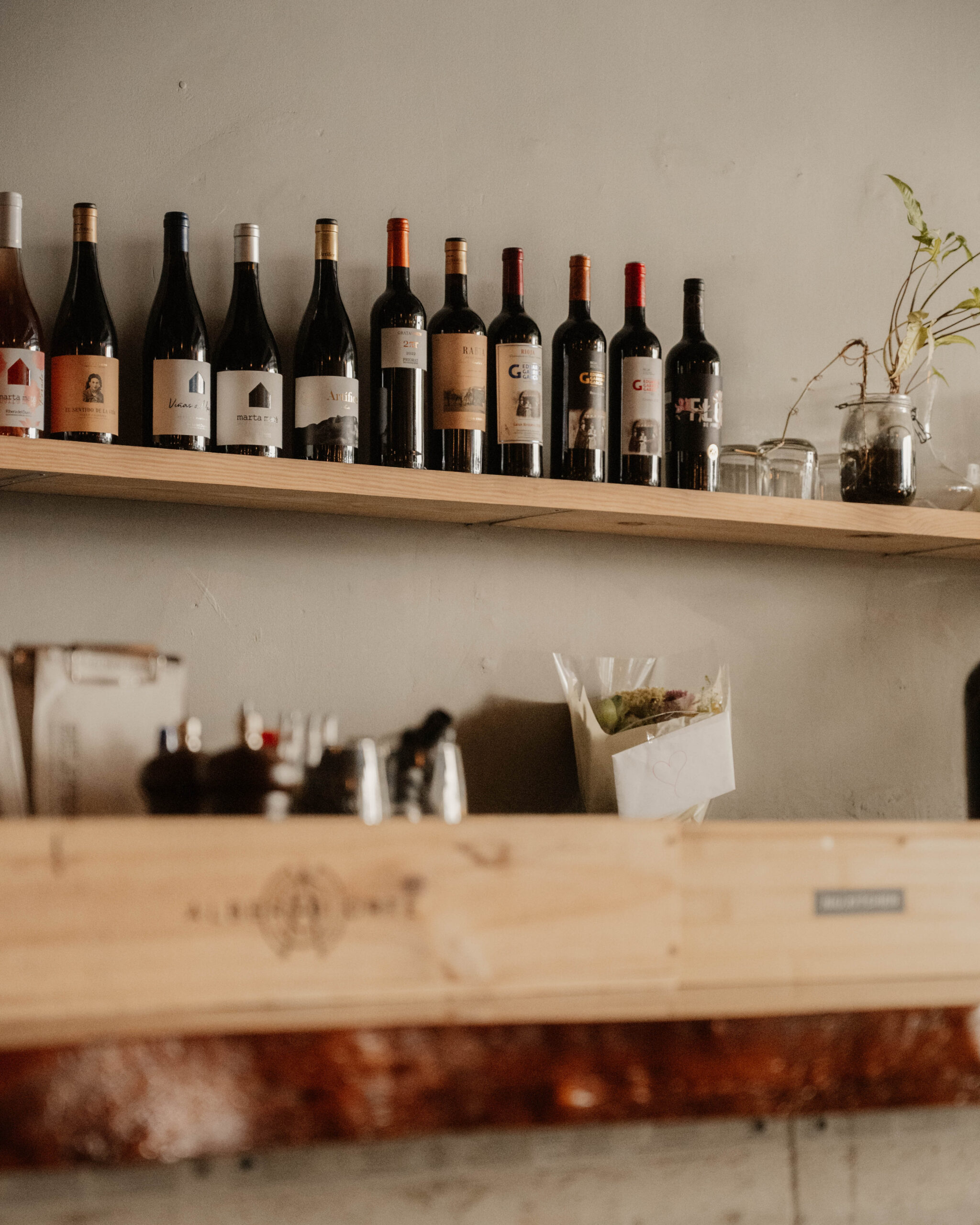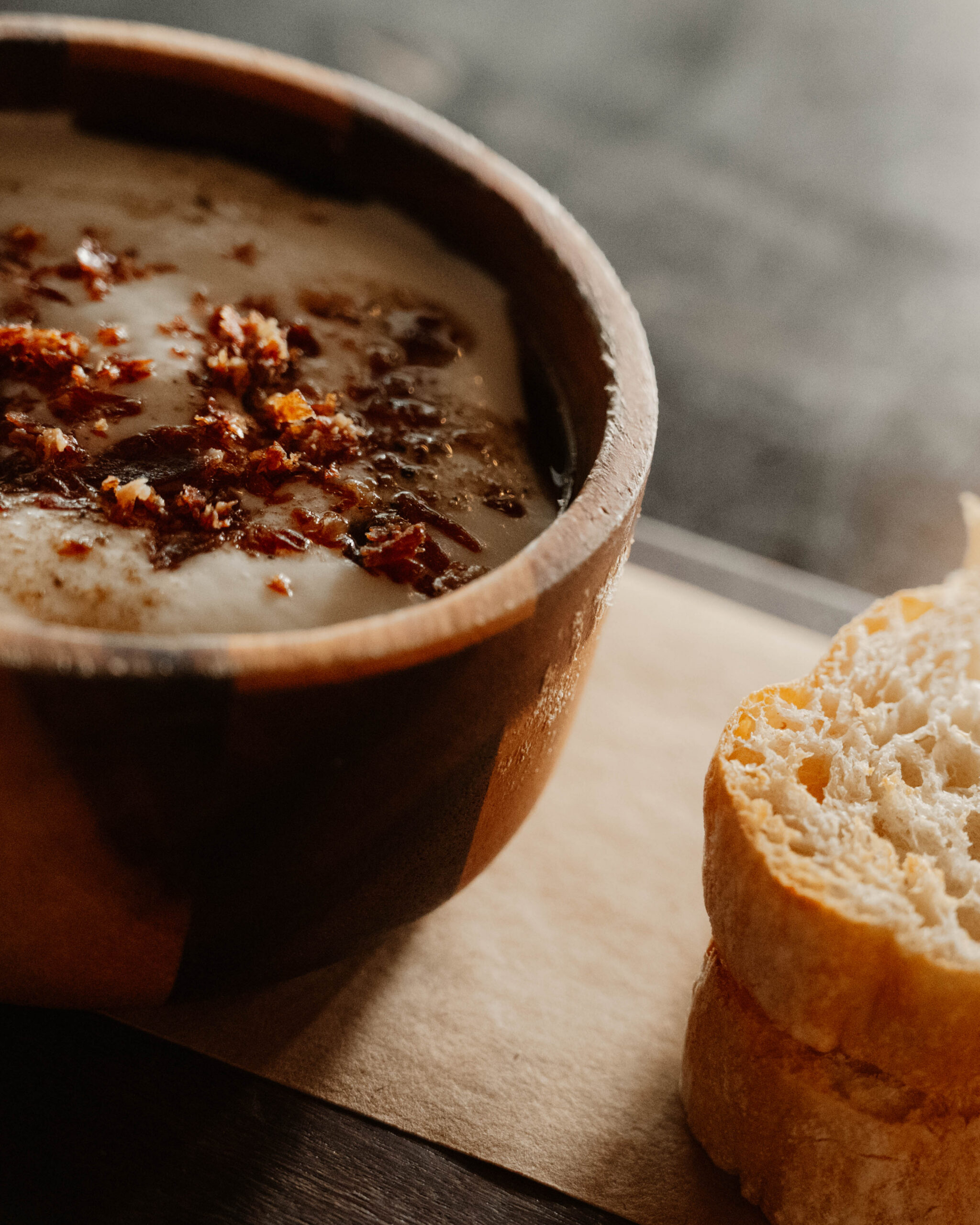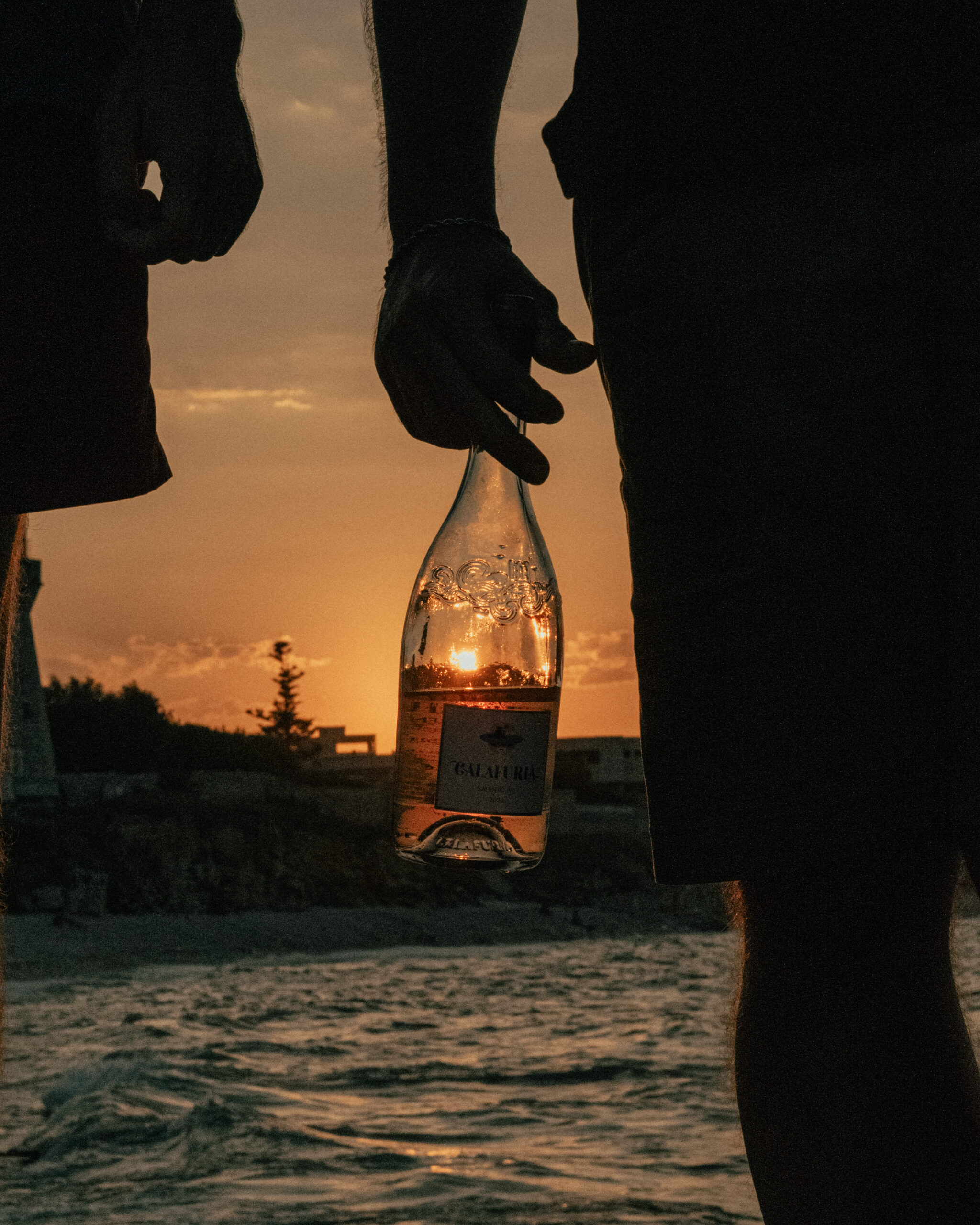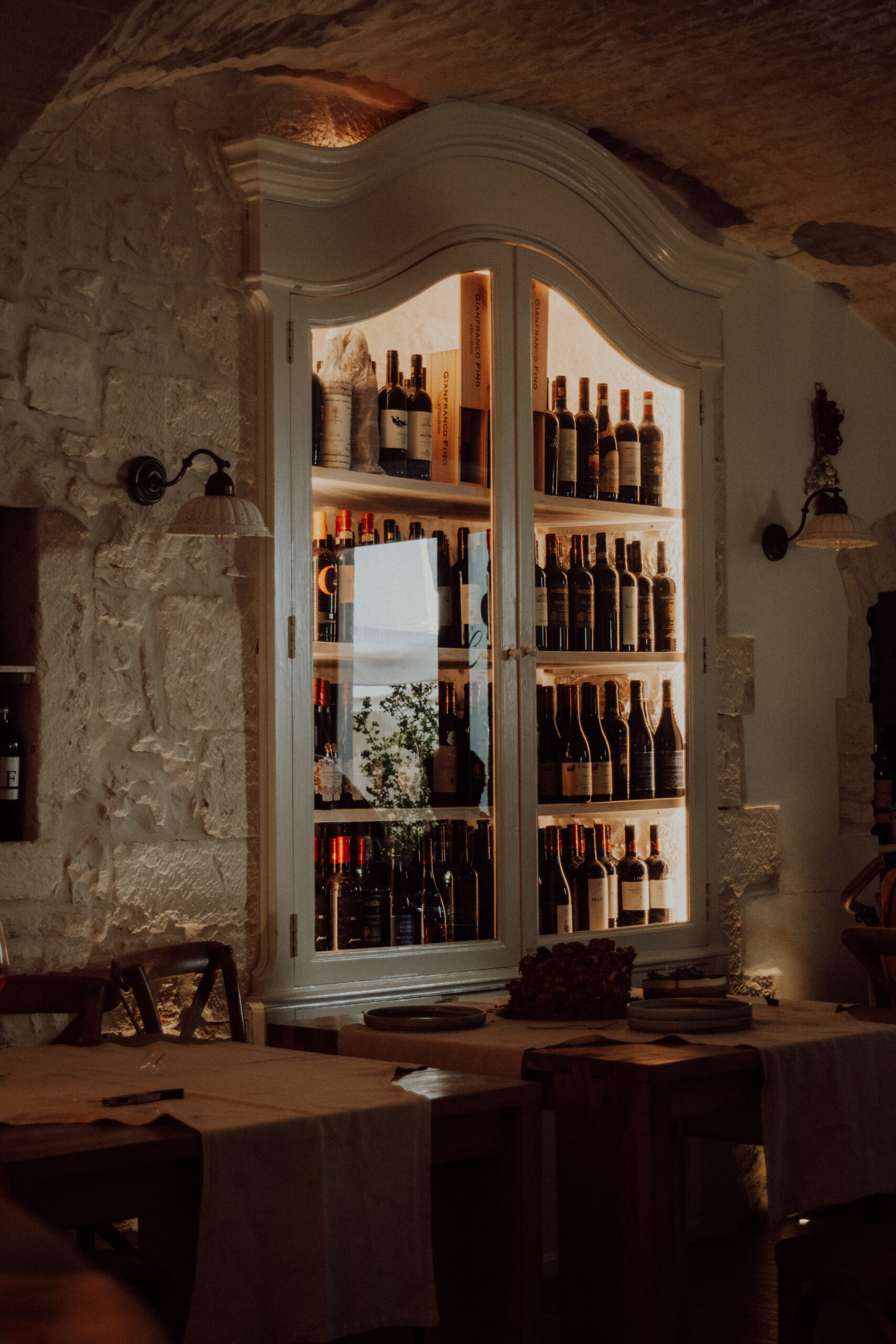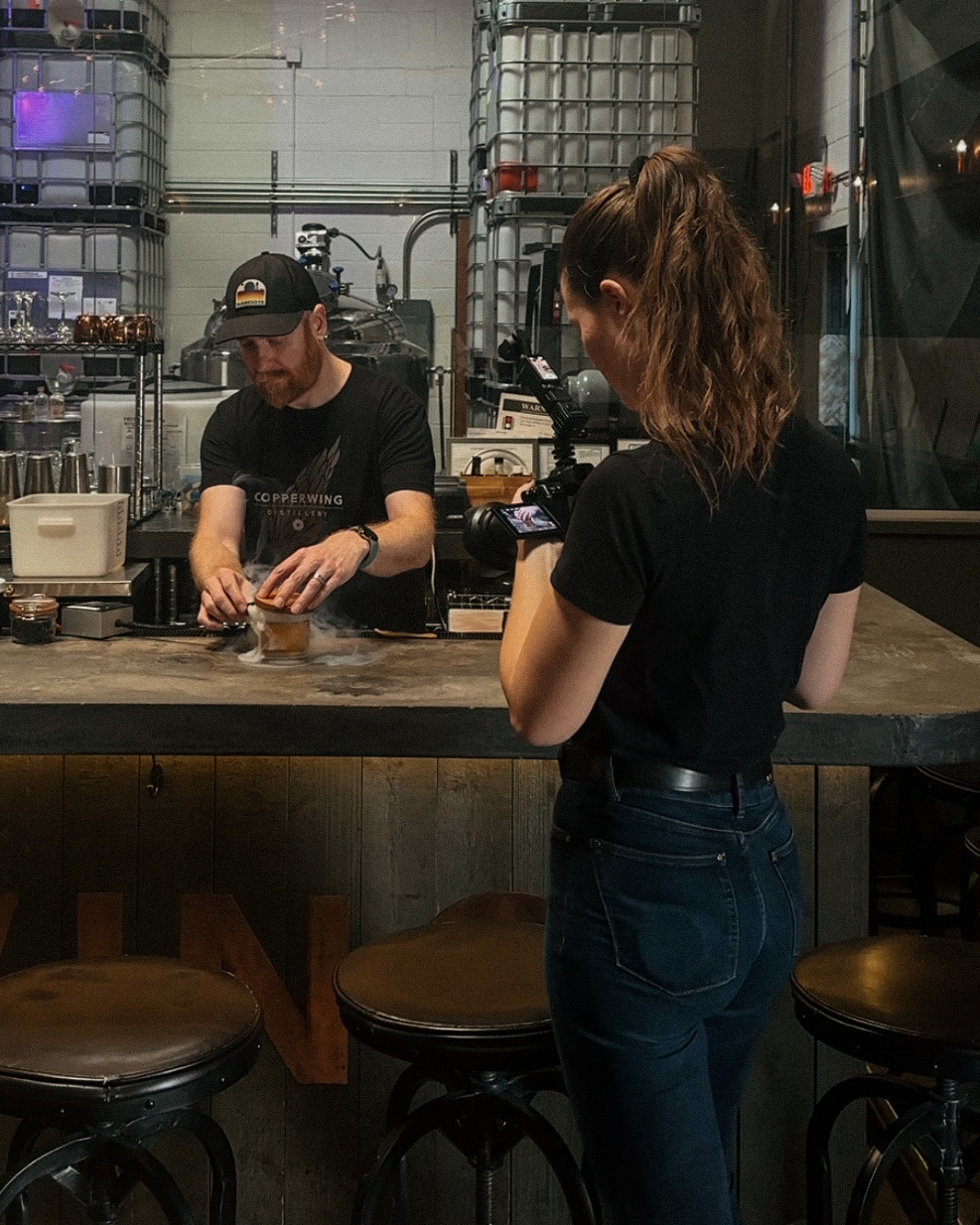


If you’re planning a shoot this year, the bar (get it?) for beverage content is higher than it’s ever been.
It’s not just about creating something beautiful. It’s about creating imagery that can hold its own across paid ads, social, e-comm, and campaign work. The brands that are standing out right now aren’t necessarily the loudest. They’re the most intentional.
They’re paying attention to what their customers want, because they know that their BS radars are more finely tuned than they’ve ever been.
Here’s what I’m seeing across whiskey, spirits, and beverage brands going into 2026, AND what’s actually working.
1. Dark, Cinematic Lighting Isn’t Going Anywhere
The industry has been in a shift toward moodier, more cinematic lighting for a few years now, and it’s only getting stronger. Especially in whiskey.
I’m sure if you’ve seen my work before, you’ll know I’m throwing a party over this one!
Bright, high-key product shots still have their place (especially for e-commerce), but for campaigns and social, brands are leaning into:
- Deep shadows
- Controlled highlights
- Rich contrast that emphasizes liquid color and glass texture
- Warmth and realistic condensation
This style creates a sense of depth and weight that feels aligned with premium positioning, and if your product has a higher price point – it’s worth asking if your product visuals match the level of prestige your product has. If you’re in whiskey or aged spirits, your lighting choices should reinforce the story you’re telling – we’re talking heritage, craftsmanship, and depth – not fight against it.
2. Texture Is Doing More of the Talking
I’m seeing a major move toward highly tactile imagery. Like the kind you could just reach out and touch through a screen.
Think:
- Condensation that feels real (not overdone or artificial)
- Ice with character – not perfect, clear cubes
- Surfaces that add context: wood, stone, metal, worn materials
It’s less about perfection – because let’s be real here…who can actually get the perfect cube in one try out of their freezer without a snazzy gadget? We’re leaning more into believability now. Something that feels realistic and achievable for your customers, while still being aspirational enough to inspire them.
This is especially important in a space where consumers can’t physically interact with the product – your imagery has to do that work for them.
3. Campaign Thinking > One-Off Images
One of the biggest shifts isn’t visual – it’s strategic.
Smart brands are moving away from:
- Single “hero” images
And toward:
- Full content systems that support a launch or campaign, AND help them transition into the next one
This means thinking in terms of:
- Multiple formats (vertical, horizontal, cropped)
- Variations for ads vs organic
- A mix of product, lifestyle, and detail shots
If you’re planning a shoot, you should be thinking beyond one deliverable. The goal is to walk away with a library of assets that can be used across channels. If you want to know what this could look like for you, I’m happy to show you.
4. Lifestyle Integration (But More Refined)
Lifestyle content isn’t new – but it’s evolving.
Instead of overly staged or generic scenes, brands are leaning into:
- More grounded, believable environments
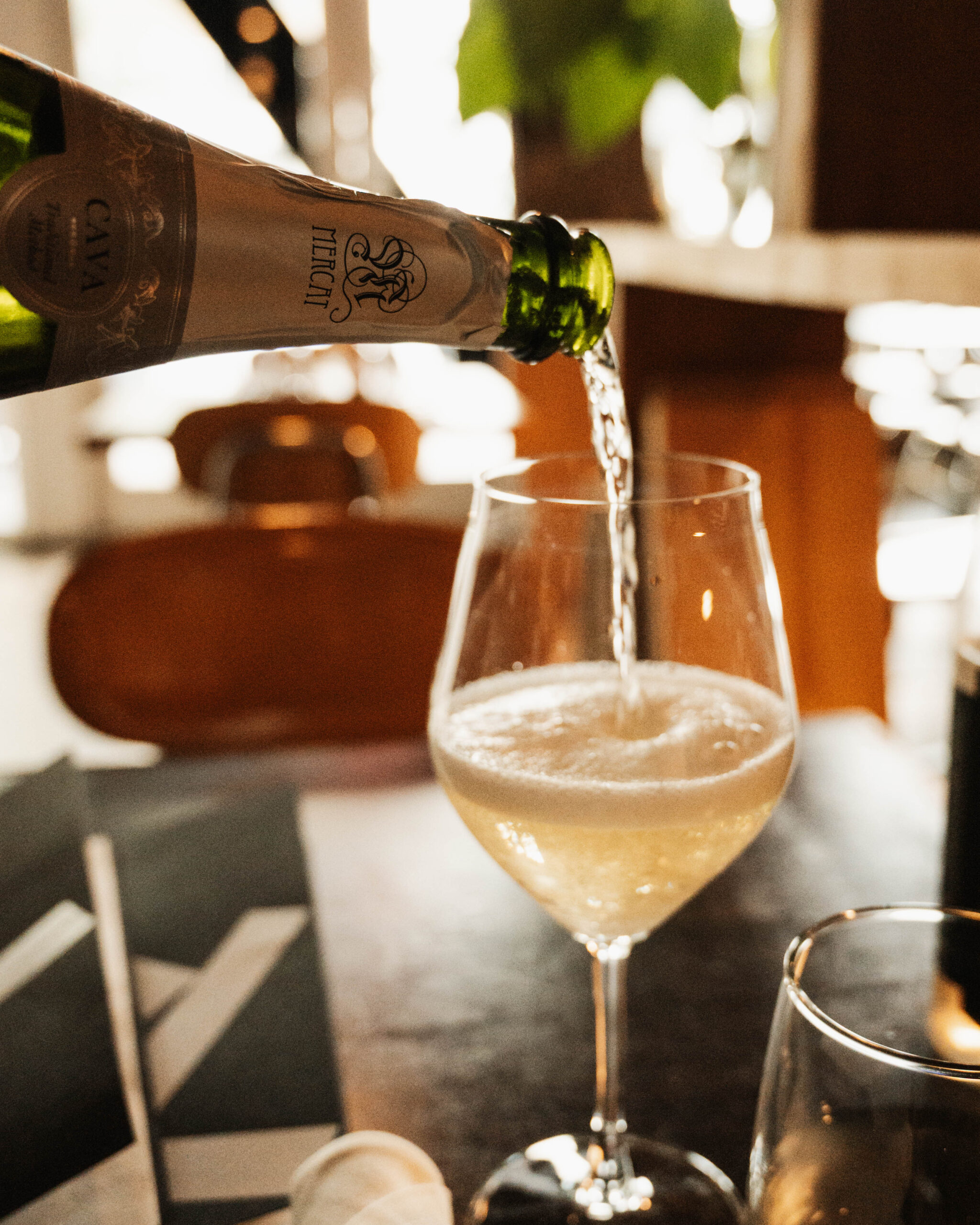
- Subtle human presence (a hand, a pour, a moment)
- Less “perfect,” more observational
The product is still the hero – but it exists in a world you create for your brand and your customers.
Basically, what I’m saying is – you don’t need a full-scale lifestyle production to create connection. But you do need intention behind how your product shows up in context. Think of your content like an invitation to your world. You can’t control the reaction, but you can control what your invitation looks and FEELS like when it’s recieved.
5. Motion Is No Longer Optional
I’m seeing more brands incorporate:
- Short-form video
- Subtle motion (pouring, condensation forming, light movement) – my personal fave!
- Hybrid shoots that capture both stills and video
This is especially important for paid and social, where static images are competing with movement. Planning for motion from the beginning, and giving it the proper amount of time, of a shoot is far more efficient than trying to retrofit it later. Trust me!
6. Imperfection Is Being Used Intentionally
This doesn’t mean sloppy – it means human.
There’s a shift away from overly polished, sterile visuals toward:
- Slight asymmetry
- Natural spills or drips
- Realistic environmental elements
This makes imagery feel more authentic and less like traditional advertising. The goal isn’t to remove all imperfections, it’s to use them strategically.
7. Brand Consistency Across Channels Is the Real Differentiator
The brands that stand out right now aren’t just creating great images—they’re creating cohesive systems.
That looks like:
- Consistent lighting direction
- Repeatable compositions
- A clear visual identity across campaigns, social, and web
This is what builds recognition over time. A single great shoot won’t move the needle if it doesn’t align with everything else you’re putting out. Your brand needs to feel the same from social media > to your website > to your branding > to your brand activations. If it doesn’t there’s going to be a major disconnect.
Here’s the thing, trends are useful and they can be fun – but only if they’re used intentionally.
The goal isn’t to chase what’s popular. It’s to understand what’s working and decide what aligns with your brand, your audience, and your positioning. The brands doing this well are treating content as a long-term investment – not a one-off expense. If you want to see what this could look like for your brand, let’s chat!