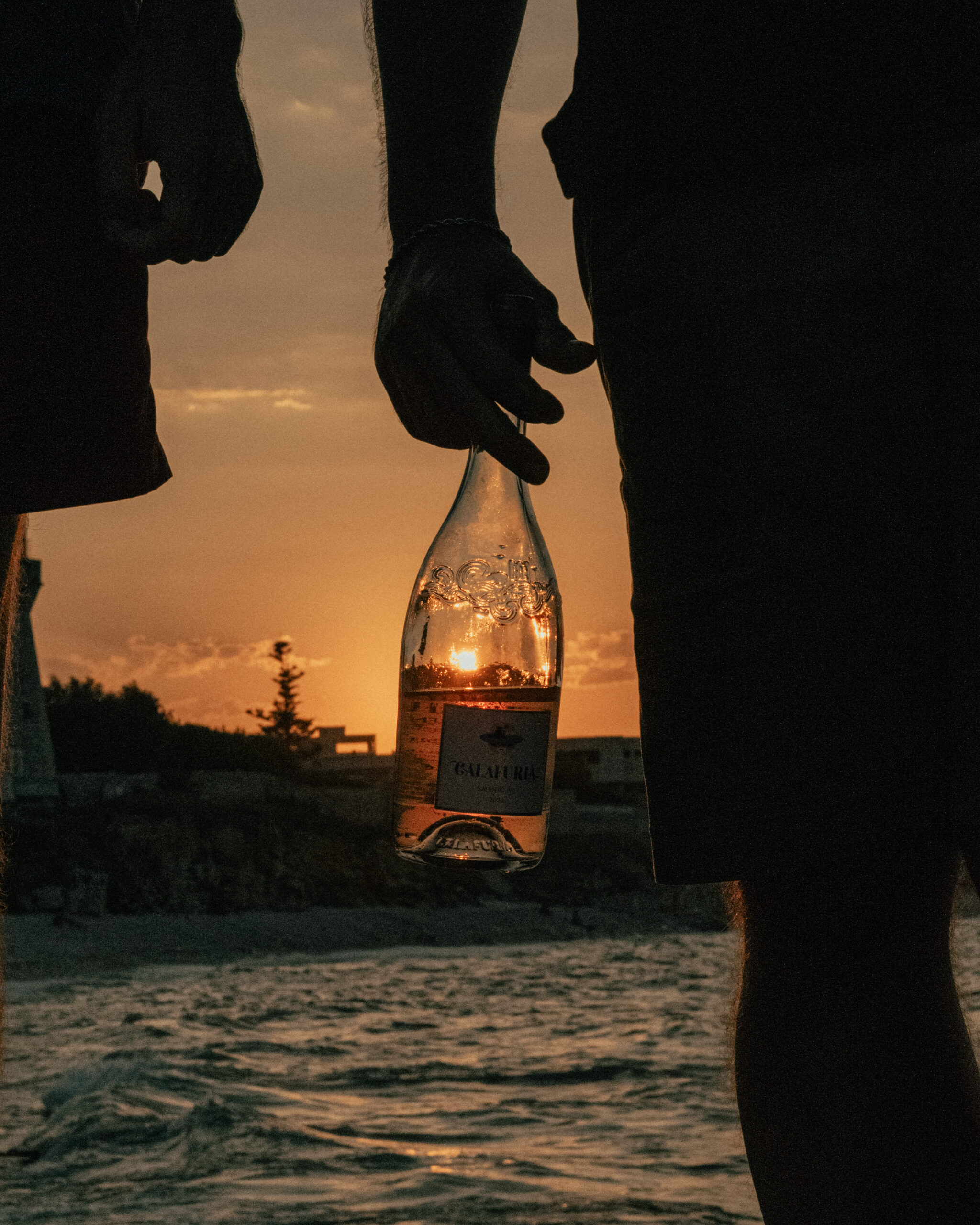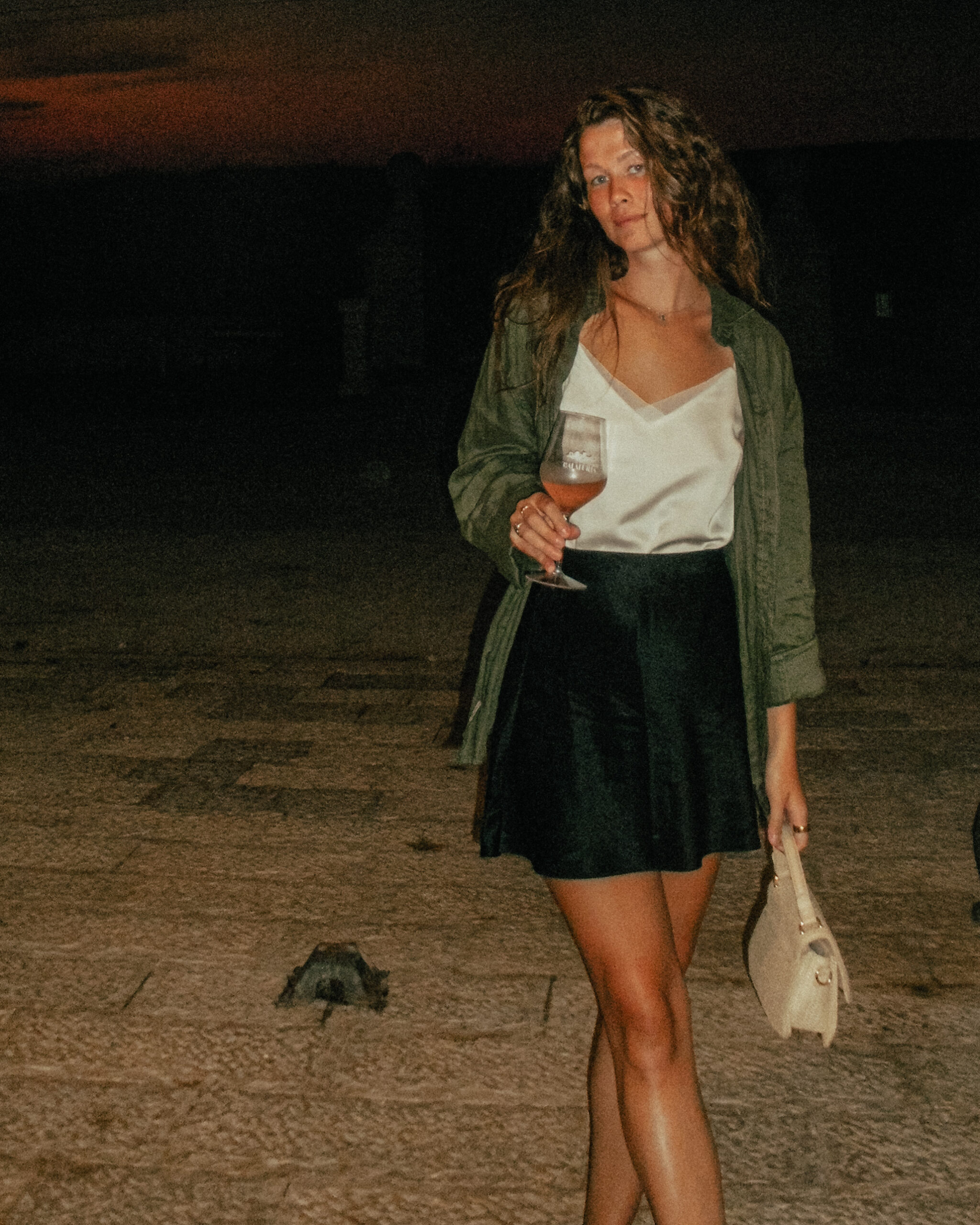


There’s a moment I keep coming back to when I think about my time living in Puglia.
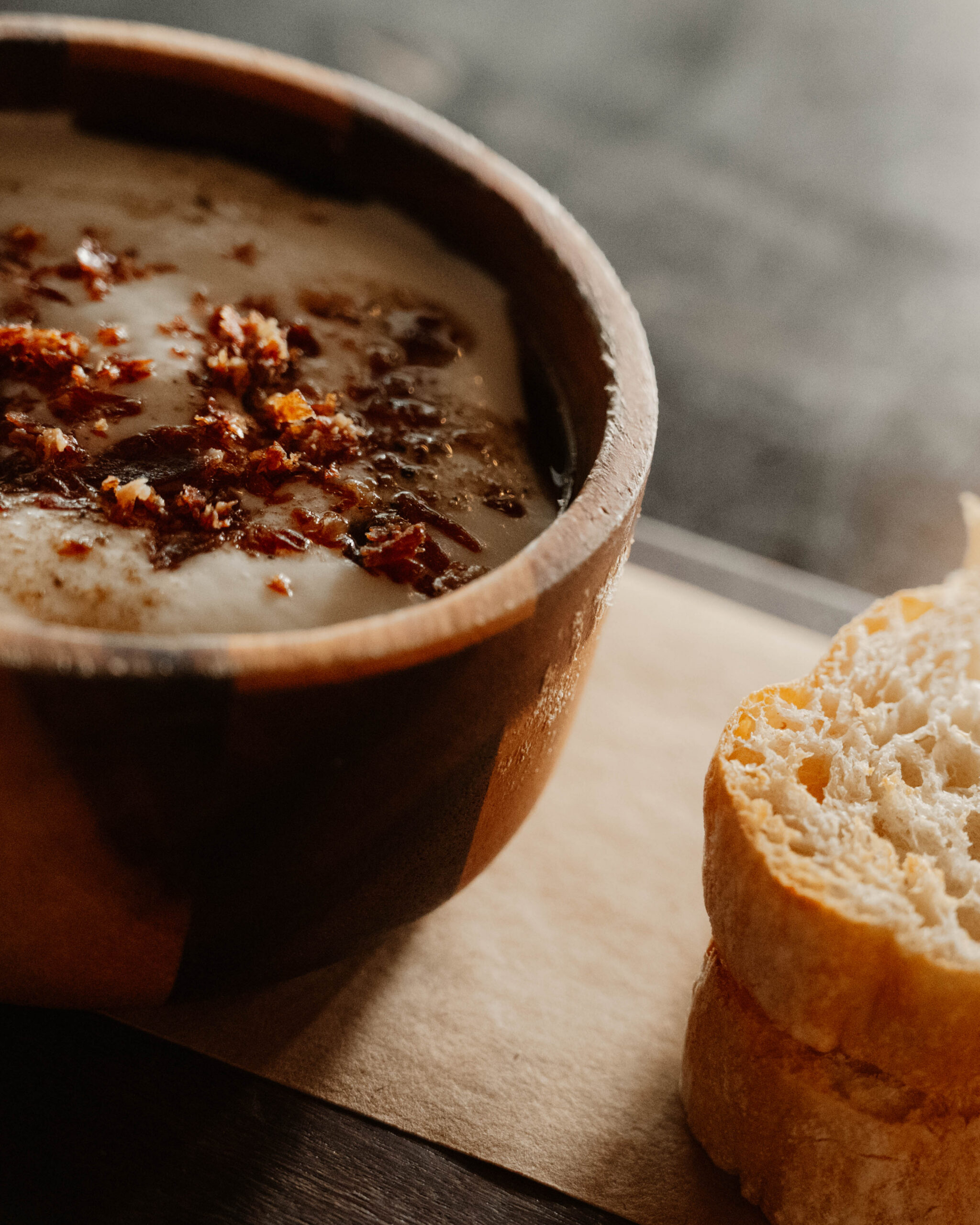
I was sitting outside at a small restaurant – nothing fancy, the kind of place with paper tablecloths and a handwritten menu (my fave) – and I watched a table of local folks spend three hours over one meal. Not because the service was slow. Not because they were waiting on food. Because they genuinely weren’t in a hurry. The wine was local, the food came out gradually, and the whole thing felt less like eating and more like an event they’d been looking forward to all day.
I left Italy a different person (and restaurant-goer) than I arrived. And I don’t think I’ll ever go back to the way things were before.
Wine Isn’t a Category. It’s a Conversation.
Before I lived in Puglia, I approached a wine list the way most people do – I scanned it, found something in my palette that I recognized, and moved on. Done. Efficient.
In Italy, that’s not how it works.
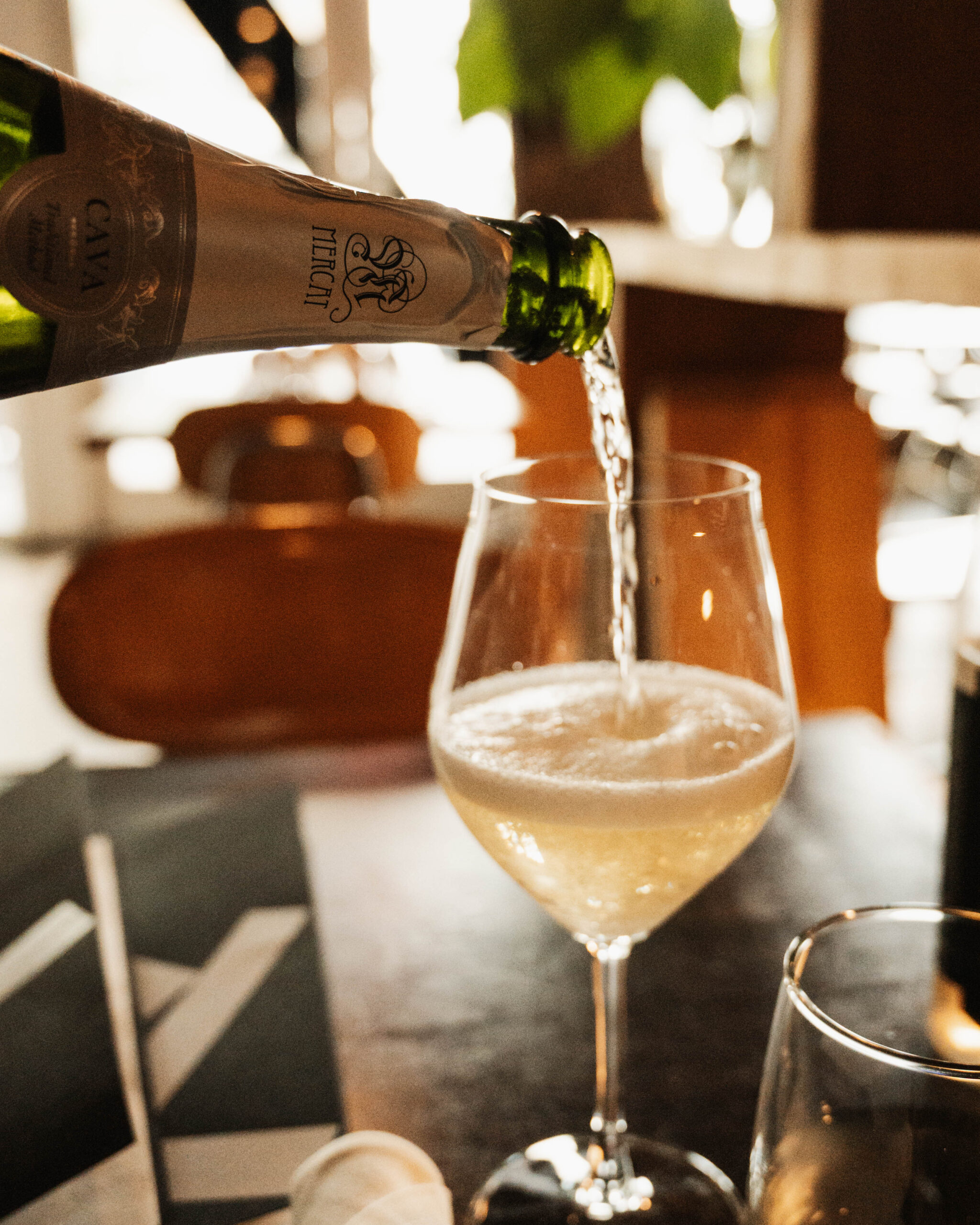
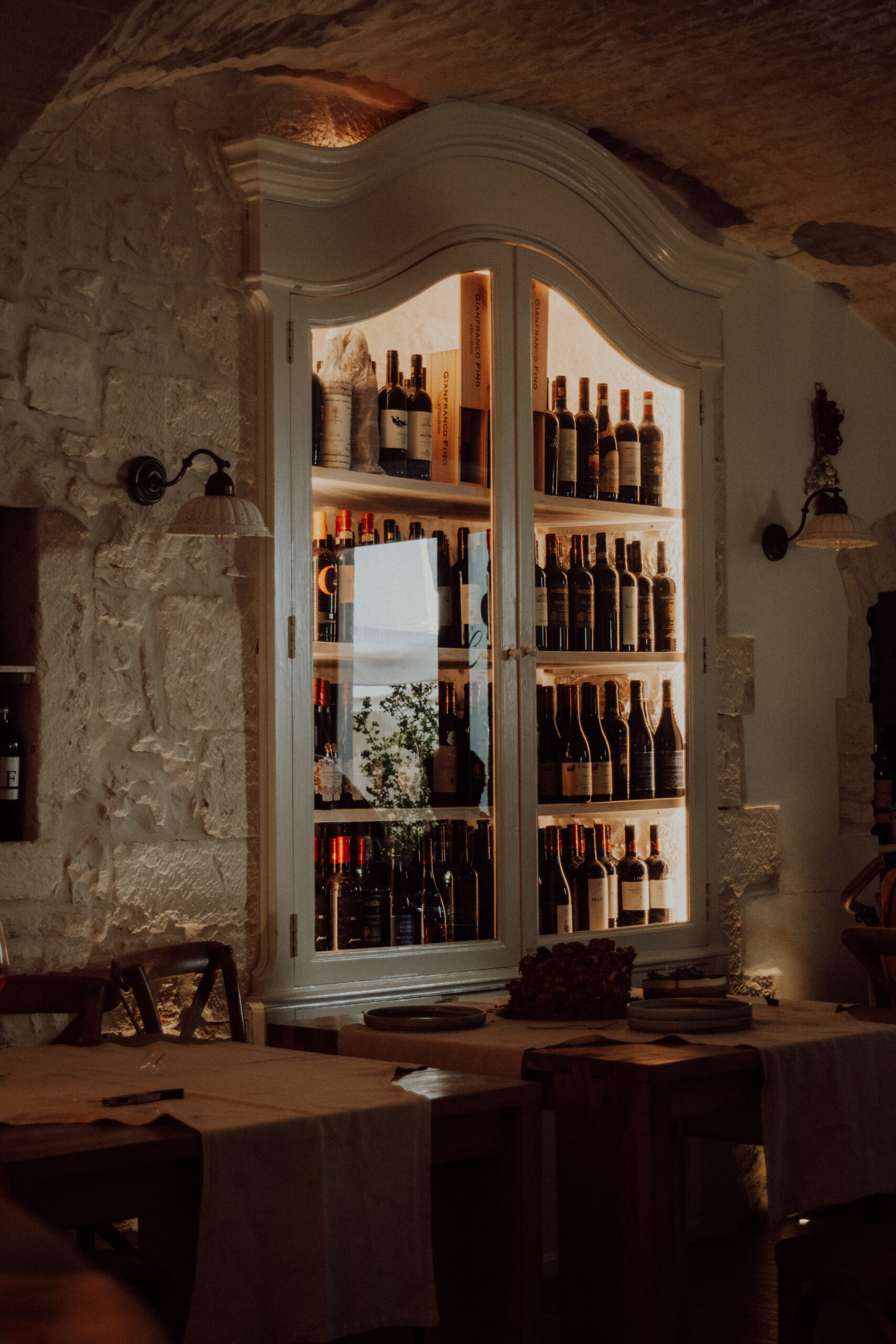
Wine in Puglia is deeply tied to place. You’re not just picking a red or a white – you’re picking something grown a few miles away, made by people who’ve been doing it for generations. Primitivo. Negroamaro. Salice Salentino. Nero di Troia. These aren’t just grape varietals. They’re part of the story of where you are and what’s on your plate.
Once you start thinking about wine that way, ordering from a list becomes a lot more interesting – and a LOT harder to rush through.
The Meal Has a Rhythm. Respect It.
This was the biggest shift for me, honestly.
In Italy, there’s an structure to the dining experience – even if it doesn’t really seem like it at first. The aperitivo comes first – something light, something bitter, something to wake your stomach up and signal that the evening is beginning. You move places. Then the meal. It’s usually 2-3 courses and something sweet. Then you take a digestivo, or a small amount of liquor to help you digest the meal (please for my sake, don’t shot this one guys. It’s a sipper). Coffee too. It’s not rigid, but it’s intentional. Each part of the experience has a purpose.
I used to sit down at a restaurant with one goal – and thinking about it now, it’s kind of engrained in you in the States: order quickly, eat well, get the check. NOW I actually think about pacing. I think about what I want to drink before I order food, and whether it makes sense with what’s coming. I linger a little longer than I used to. Maybe I don’t always spend three hours at a restaurant, but I’m certainly not opposed to it either.
Truthfully? The meals I remember most are the ones where I stopped trying to be efficient about it.
Local Is Almost Always the Right Answer
In Puglia, ordering local wine isn’t a trendy thing to do – it’s just common sense, especially if you know the winemaker. The food and the wine grew up together. They know each other. It’s a relationship in and of itself.
That philosophy has followed me home. Now when I’m at a restaurant, I pay attention to what’s local or regional on the list. Not because it’s always the “best” option in some objective sense, but because it usually tells you something about what the chef is thinking – and it almost always pairs better with the food than something imported from across the world. And a lot of times, a kiss of flavor from local wine is actually INSIDE the food itself.
It’s a small shift in mindset, but it changes the whole dynamic of how you interact with a menu.
Dining Out Is an Experience, Not a Transaction
This is the one I think about most when I’m back in the States, especially at restaurants that are doing something really intentional with their food and drink programs.
In Italy, no one is apologizing for taking time. No one is rushing you out the door between seatings. And I do mean NO ONE. They know that connection is the biggest part of the meal, and locals know it because they gather in groups outside of the place with a glass of wine simply chatting and waiting for their table to be available. The expectation – shared by everyone at the table and everyone working in the restaurant – is that this meal is worth slowing down for.
I’m not saying every dinner or lunch you eat needs to be a three-hour affair. But there’s something to the idea that a great restaurant experience is something you participate in, not something that happens to you while you check your phone.
The wine plays a huge role in that. It’s something to talk about, to taste, to compare. It gives you something to be curious about. And that curiosity? It makes everything else at the table taste better.
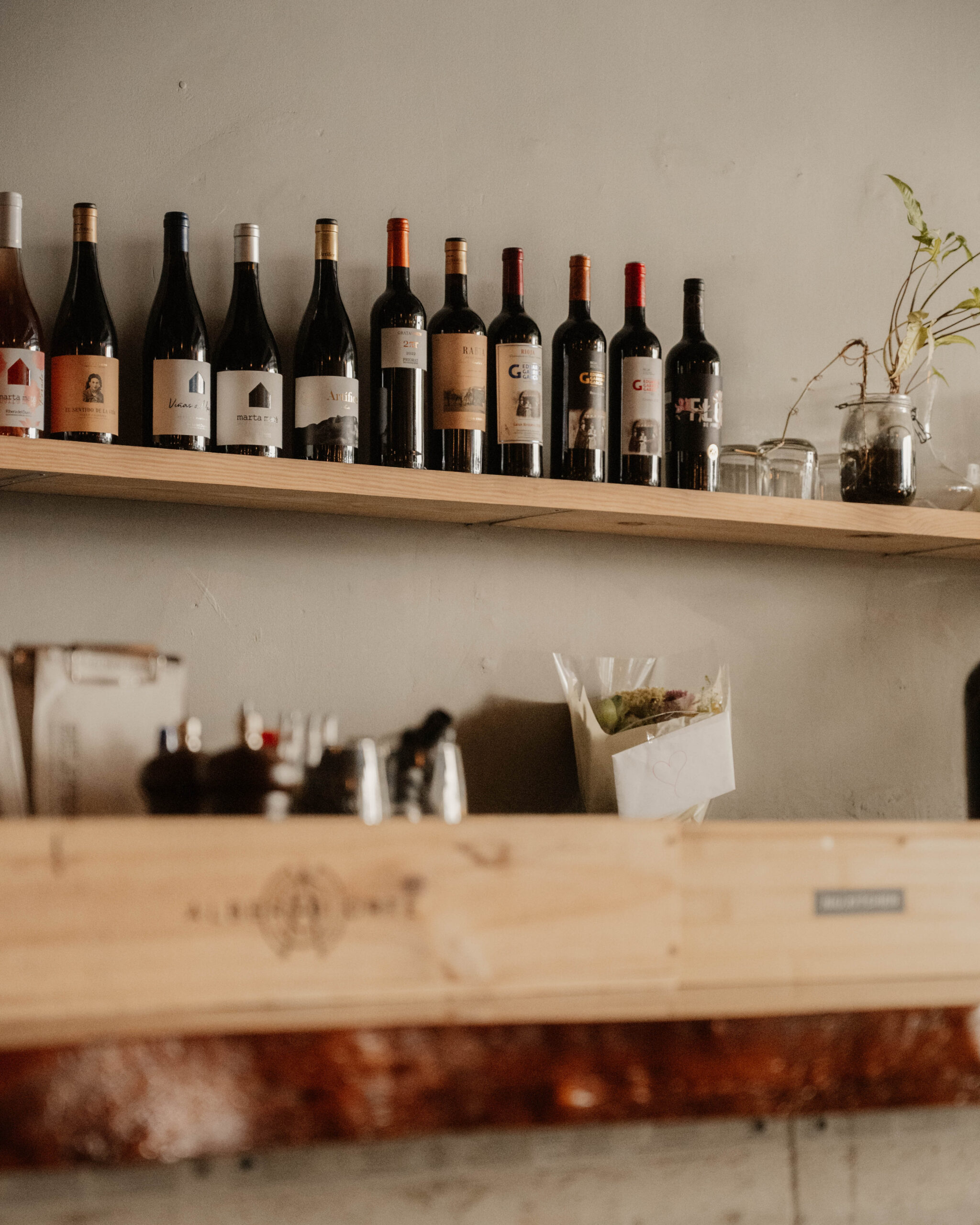
What This Means If You’re Building a Wine Program
If you’re a restaurant – especially where the dining scene is sophisticated and the clientele has traveled a variety of places — this is worth thinking about.
People who’ve experienced Italian wine culture aren’t just looking for a good bottle. They’re looking for the feeling that goes with it. The sense that someone thought carefully about what’s on that list, and why it belongs next to the food you’re serving. Kind of like lifestyle photography too – which, if you didn’t know is my bread and butter.
That’s the opportunity. Not just to stock great wine, but to make the wine part of the story you’re telling every time someone sits down at one of your tables.
I lived that story for a while in Puglia. And the restaurants I keep going back to here at home? They’re telling versions of it too. And it’s working.