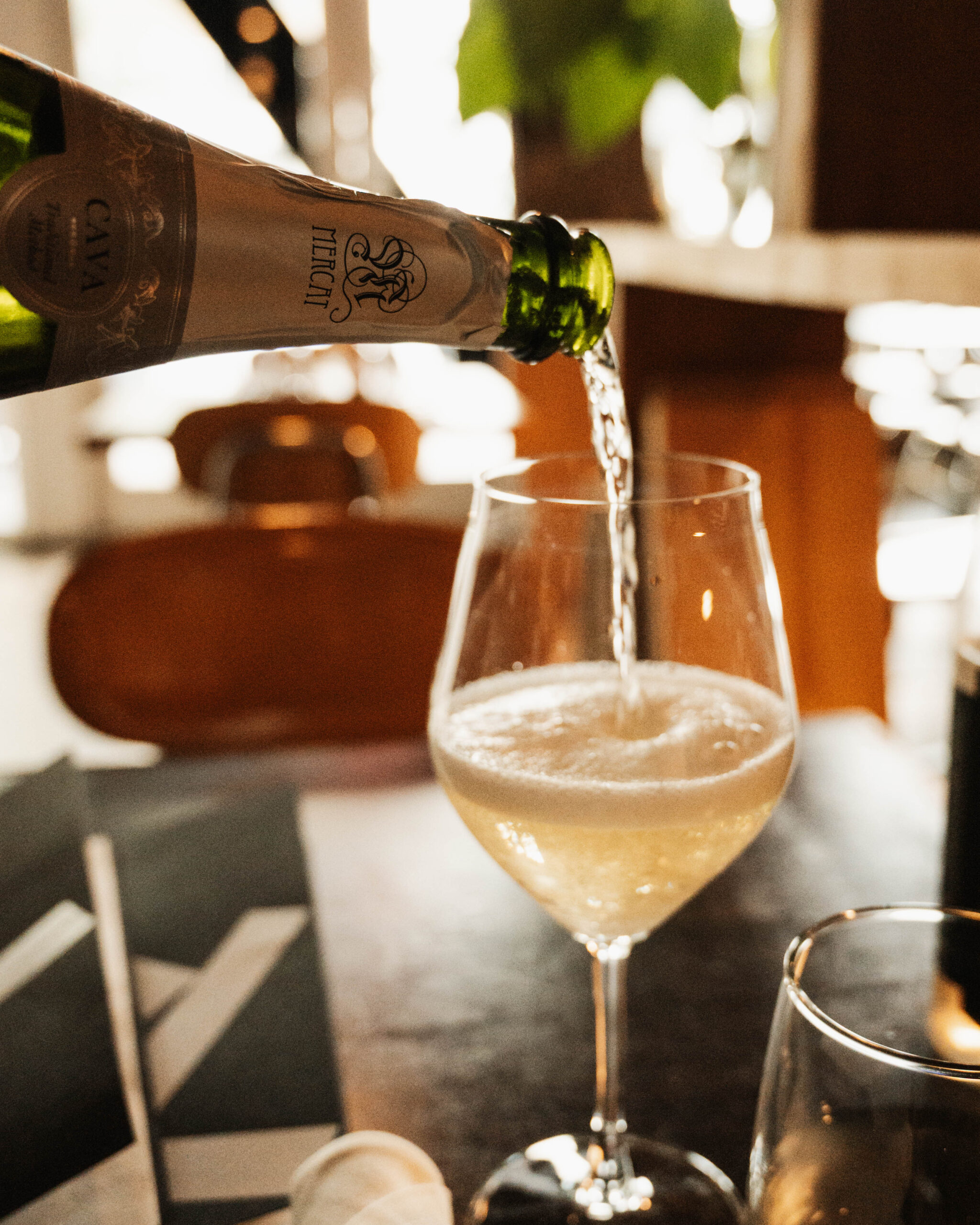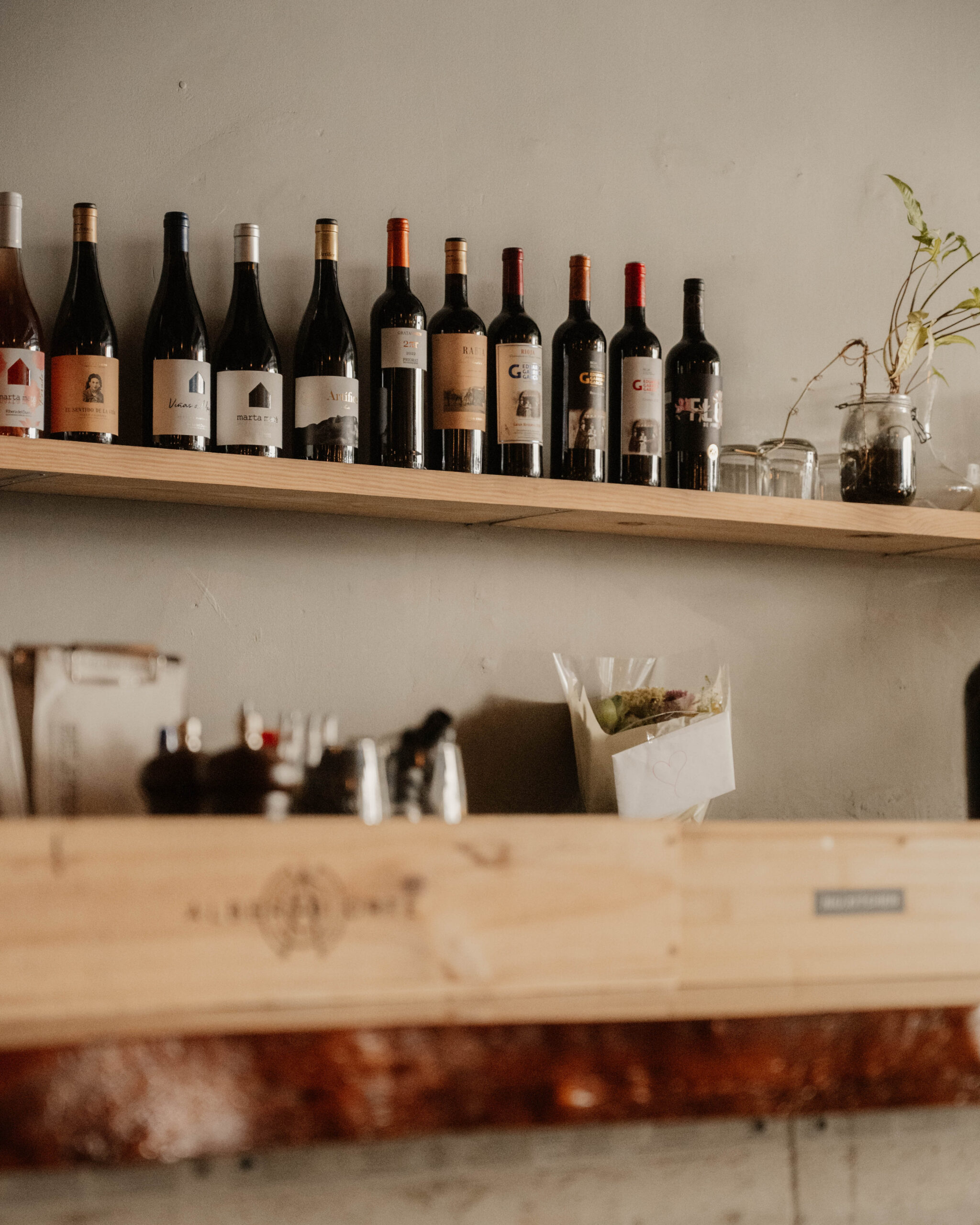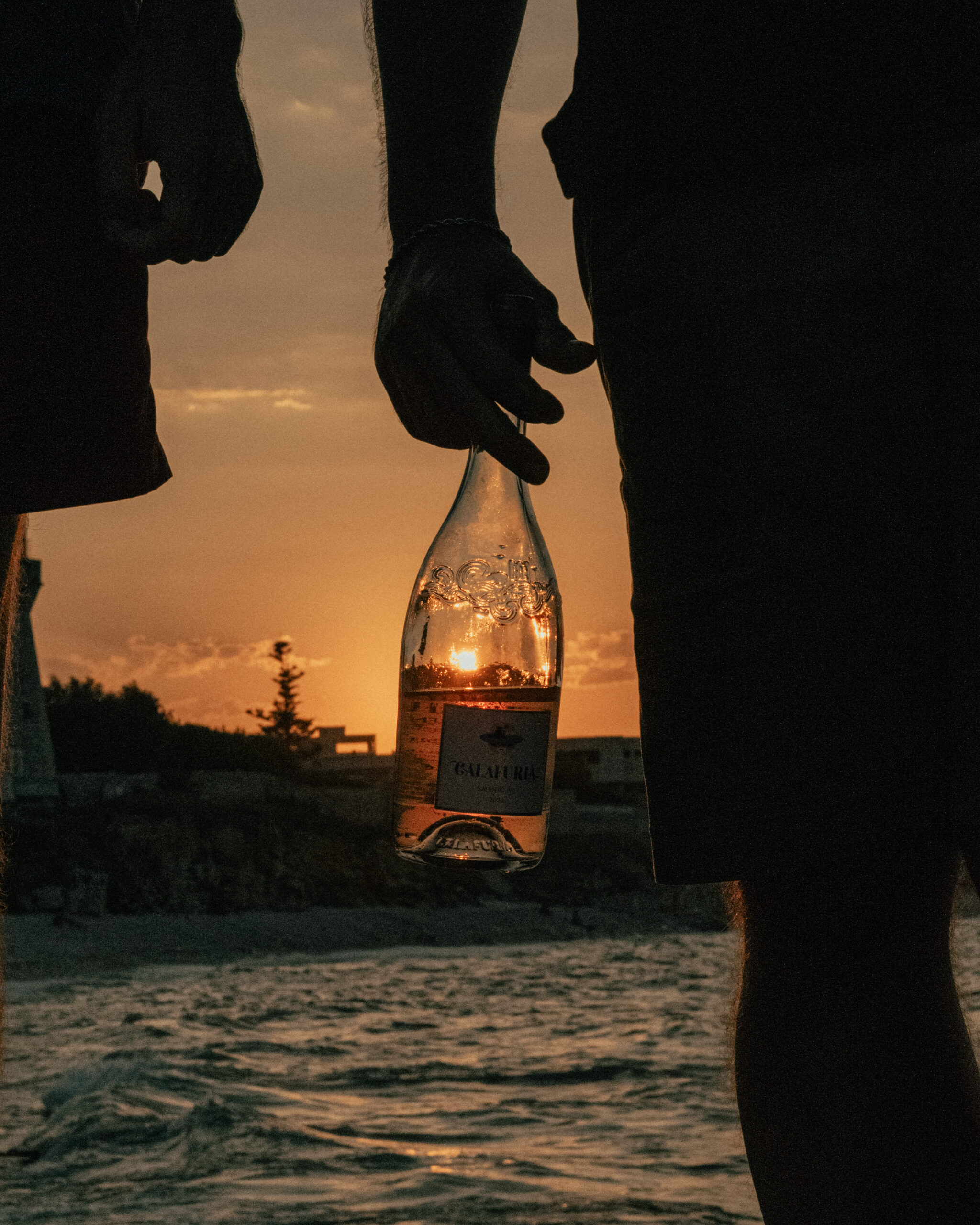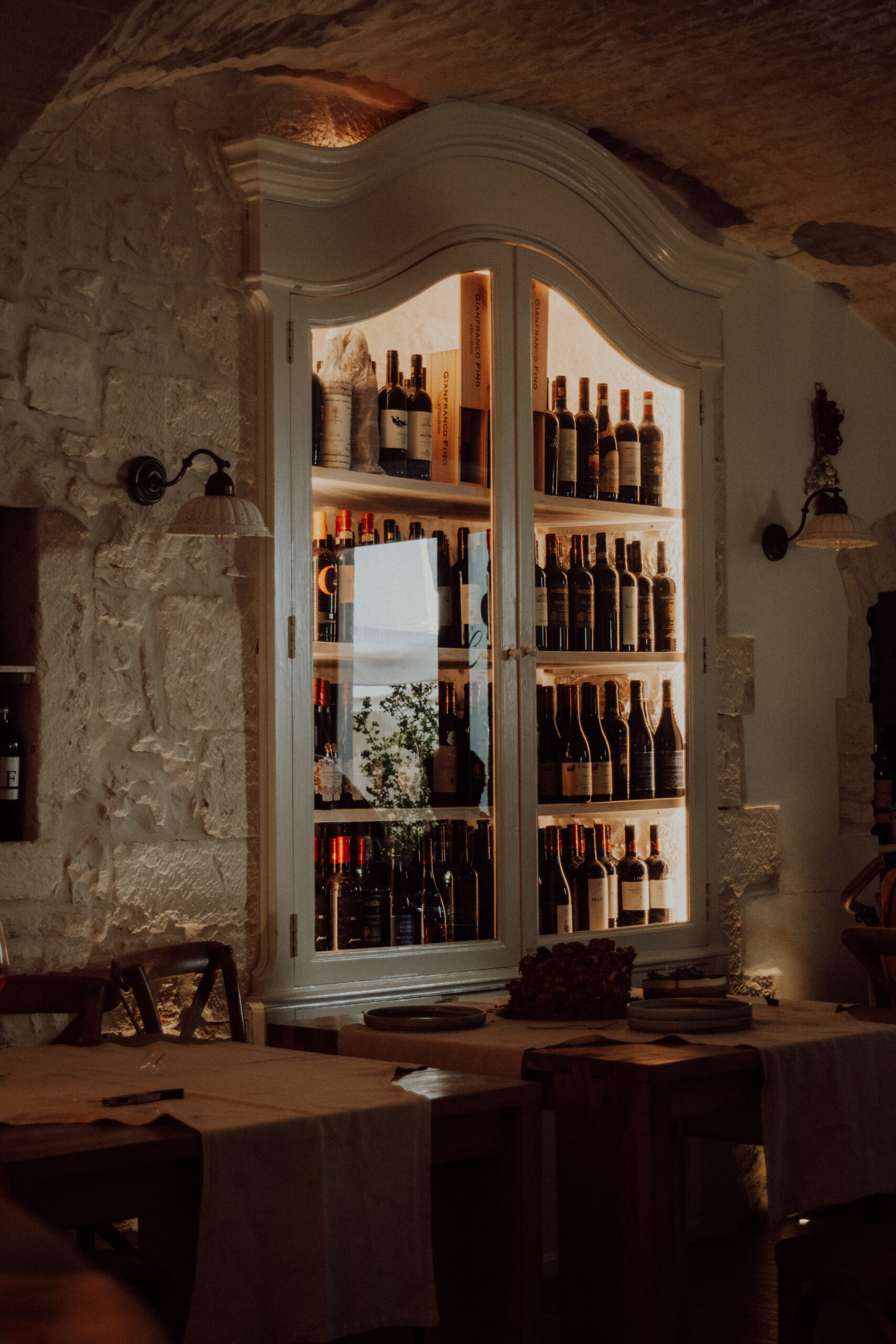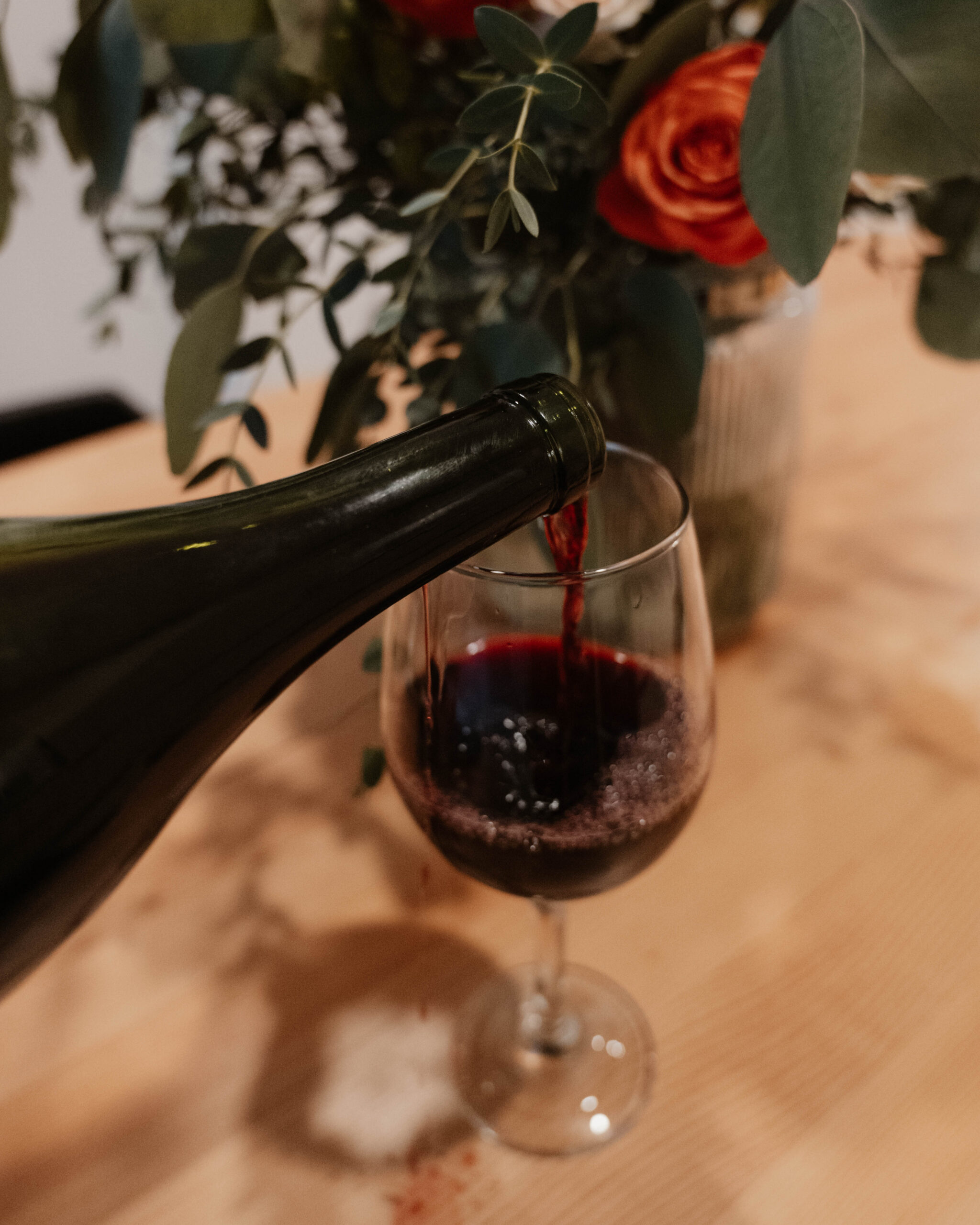


Let me paint you a picture.
You just wrapped a brand shoot. The photographer was talented, the location was gorgeous, and honestly? The images are beautiful. But three months later, you’ve used maybe five of them – because something just feels off. They don’t quite look like your brand. They’re not pulling the engagement you expected. And the idea of going back to shoot more content already feels exhausting.
This is one of the most common stories I hear from wine and spirits brands who come to me after a less-than-ideal experience. And the frustrating part is that it usually isn’t about the photographer’s technical skill.
It’s about fit strategic fit, industry fit, and creative fit.
Hiring a brand photographer is a bigger decision than it looks on paper. The wrong partnership doesn’t just cost you money. It costs you time, momentum, and sometimes the window on a product launch you can’t get back. So instead of handing you a list of red flags to avoid, I want to flip the script. Here are the green flags – the signs that the photographer you’re talking to actually gets it.
1) They ask about your customer before they ask about your aesthetic.
The first question out of a great brand photographer’s mouth shouldn’t be about your color palette or your mood board. It should be about your customer. Who they are, what draws them to your product, and what you want them to feel when they encounter your brand visually in the wild.
That’s because great brand photography isn’t just about what looks beautiful.
It’s about what resonates with the person holding your bottle at a retailer shelf, scrolling past your ad at 10pm, or walking through the door of your tasting room for the first time. A photographer who leads with strategy before aesthetics is building toward conversion – not just a pretty portfolio piece.
Which is the whole point, right?
2) Their portfolio shows range within a niche.
You absolutely want someone who specializes in wine and spirits. But you don’t want someone whose entire portfolio looks identical across every client they’ve ever shot.
Every brand in this industry has its own personality, its own origin story, its own customer.
A craft bourbon distillery in rural Minnesota should look nothing like a heritage Italian winery – and your photographer should be able to prove they understand that difference. Range within a niche means they grasp brand differentiation. And if they can protect the distinct identity of every brand they’ve worked with, they’ll protect yours too.
3) They talk about usage before they talk about deliverables.
Before your photographer quotes you a package or lists out how many final images you’ll receive, they should be asking where those images are actually going to live.
- Website?
- Social media?
- Trade show materials?
- Email campaigns?
- Retail packaging?
This isn’t small talk – it’s strategy. A shot composed beautifully for a full-bleed website header can crop terribly for an Instagram square. A moody, cinematic image that stops someone mid-scroll might fall completely flat as a print ad. A photographer who plans for usage from the start is one who helps you get real, lasting mileage out of every single frame.
AND they help you make the most out of every shoot by bringing in a strategic shot list.
4) They bring a shot list — and explain the thinking behind it.
Any photographer can hand you a list of shots. What separates a great brand photographer is their ability to walk you through why each shot matters – what it’s designed to communicate, which channel it was built for, and how it fits into the larger visual story you’re telling about your brand.
That level of intentionality is the difference between walking away with a visual library and walking away with a pretty collection of images you’re not sure what to do with. When a photographer can connect every creative decision back to your brand goals, you know you’re working with someone who’s thinking about your business – not just their next portfolio update.
5) They’ve worked with brands at your stage before.
A photographer who has only ever shot for large, fully-resourced brands with dedicated prop stylists, creative directors, and unlimited shoot days may genuinely struggle with the creative constraints of a small craft distillery or independent winery.
Smaller budgets. Leaner teams. Less lead time. Real, scrappy production days where things don’t always go according to plan.
There’s a specific kind of problem-solving instinct that only comes from working in that world – and it’s invaluable. Look for a photographer who can speak fluently about working within constraints, because that’s where the real creative skill shows up.
Because guess what? Some of the things that don’t go to plan can actually end up being some of the best shots of the gallery!
6) They push back — thoughtfully.
If a photographer agrees with everything you say in a discovery call, pump the brakes.
A great creative partner won’t just take your brief and run with it uncritically. They’ll respectfully challenge the ideas that aren’t going to serve you – the location that doesn’t match your brand positioning, the concept that’s been done to death in the category, the shot list that’s too ambitious for the time you’ve blocked.
Pushback from a place of genuine expertise isn’t friction. It’s a sign that a photographer is invested in the outcome of your shoot, not just the booking. The ones who say yes to everything are often the ones who leave you with beautiful images that somehow missed the mark entirely.
7) They talk about what happens after the shoot.
A shoot day is not the finish line – it’s the midpoint. And a photographer who treats it like the end of the relationship is one who sees themselves as a vendor, not a partner.
- How will your files be delivered, and in what formats?
- Will they be organized in a way that makes sense for your team to actually use them?
- What’s the realistic timeline for edits?
- Will they follow up to see how the images performed across your channels?
These might feel like logistical details, but they signal something much bigger – that your photographer understands they’re part of your marketing infrastructure, and they take that responsibility seriously.
The Bottom Line
The right brand photographer for a wine or spirits brand isn’t just someone who can make your product look beautiful – though they absolutely should be able to do that. They’re someone who thinks like a marketer, shoots like an artist, and shows up like a partner invested in your brand’s growth.
When you find that combination, a single well-planned shoot day can fuel months of content across every channel, every campaign, every pitch deck and trade show booth. That’s not just good photography. That’s good business.
If you’re curious whether that’s the kind of photographer I am – I’d love to show you. Here’s how I work with brands, and what a shoot with me actually looks like from start to finish.